
The blog
Writing on caring well
Essays, book notes, and field reports on the systems behind care — the caregiver, the organization, the home, the technology, and the next generation.
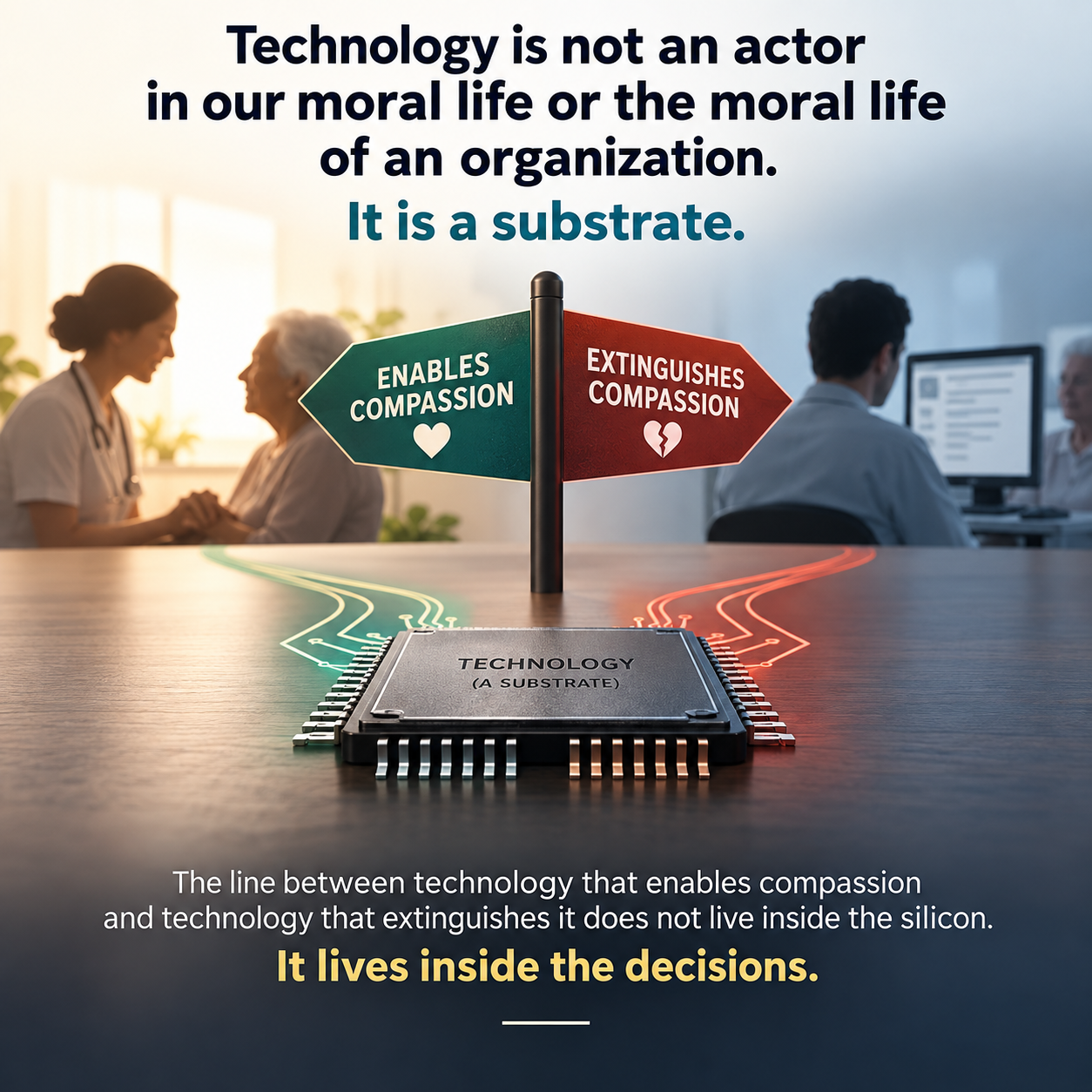
Technology Is a Substrate
The same device can enable compassion or extinguish it, and the difference is never settled in the silicon. Six questions — for leaders, clinicians, students, prescribers, and builders — about where moral responsibility for technology actually sits.…
Read the article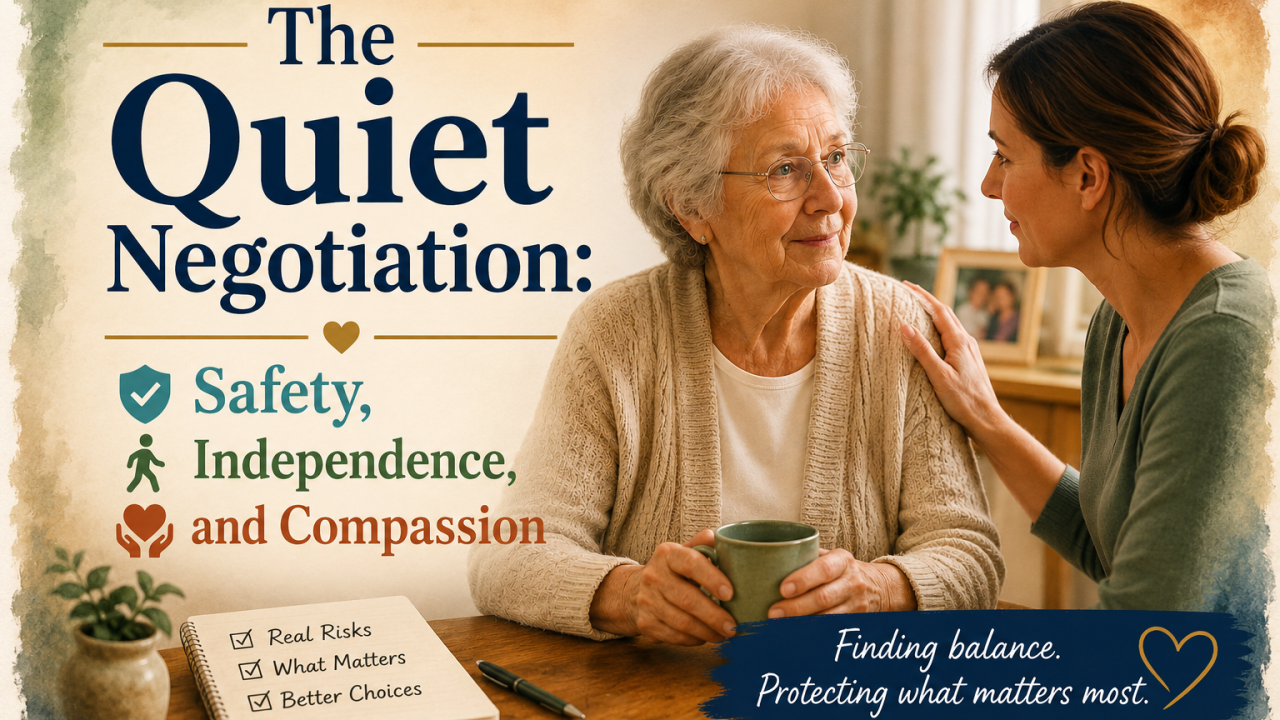
The Quiet Negotiation: Safety, Independence, and Compassion
Independence does not leave through the front door with a suitcase. It slips out through a hundred small exits. A home safety professional on why you cannot subtract your way to safety, and how to negotiate risk without shrinking a person's life.…
Read more →
The Perfect Mentor Does 3 Jobs: Coach, Consultant, and Connect
I have been mentored badly by generous people and mentored well by people who had very little time for me. If I am being honest, I have probably also been both types of mentors as well. The difference was never warmth, a…
Read more →
OpenEvidence: What Healthcare Providers Need to Know
If you have been in a clinical setting recently, you have probably heard a colleague mention OpenEvidence. Perhaps you have seen a resident pull it up on their phone during rounds, or a colleague reference it when discus…
Read more →
When Blame Replaces Learning, Patients Pay the Price
In 1999, the Institute of Medicine published a report that shook American healthcare to its foundation. To Err Is Human estimated that between 44,000 and 98,000 people die in U.S. hospitals each year from preventable med…
Read more →
What Improv Comedy Taught Me About Compassion in Healthcare
When I was a younger man, I did a lot of stand-up comedy. While I had a lot of fun developing and performing material, it could get repetitive and boring. The jokes were the same every night. The audience was different,…
Read more →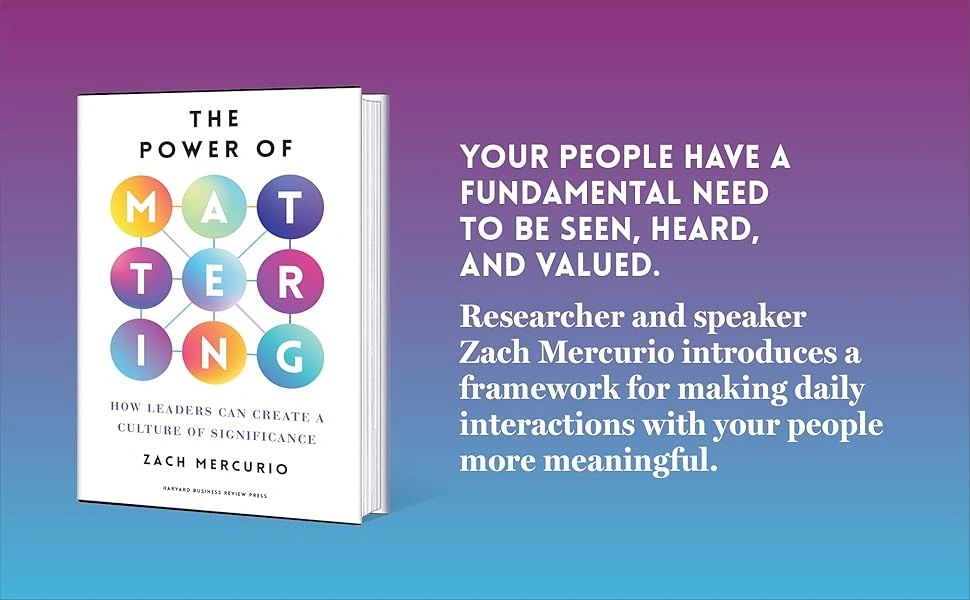
The Power of Mattering
By Zach Mercurio (Harvard Business Review Press, 2025)…
Read more →
Why Healthcare Needs a Compassion Revolution (& How to Lead One)
Here's a statistic that should keep every healthcare leader up at night: 44% of healthcare workers worldwide are burned out. In intensive care units, that number climbs to a staggering 74%.…
Read more →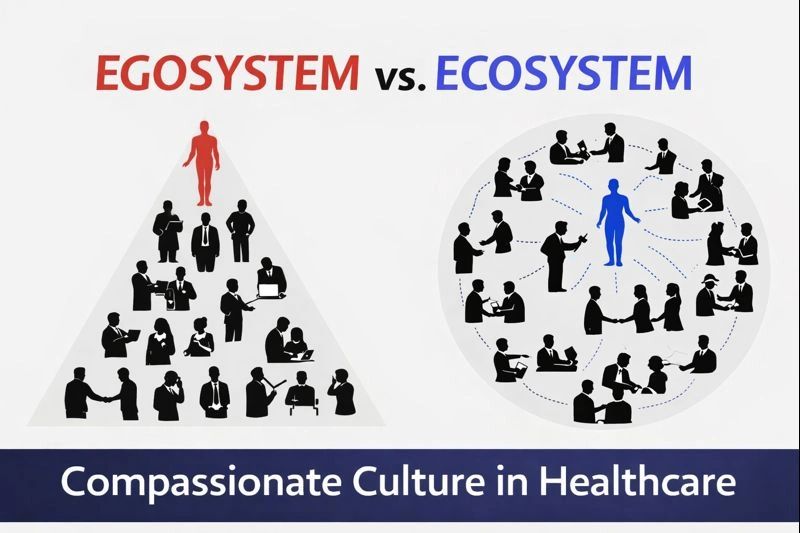
Organizational Culture Operating Systems: Egosystem Vs Ecosystem
Why the foundation of compassionate culture in healthcare isn't a policy or program, but a fundamental shift in how we relate to one another…
Read more →
Wanna Lose Weight? Do this ONE THING (and How AI Makes It Easy)
After 25 Years of Success, Life Threw Me a Curveball. Here's What Actually Worked.…
Read more →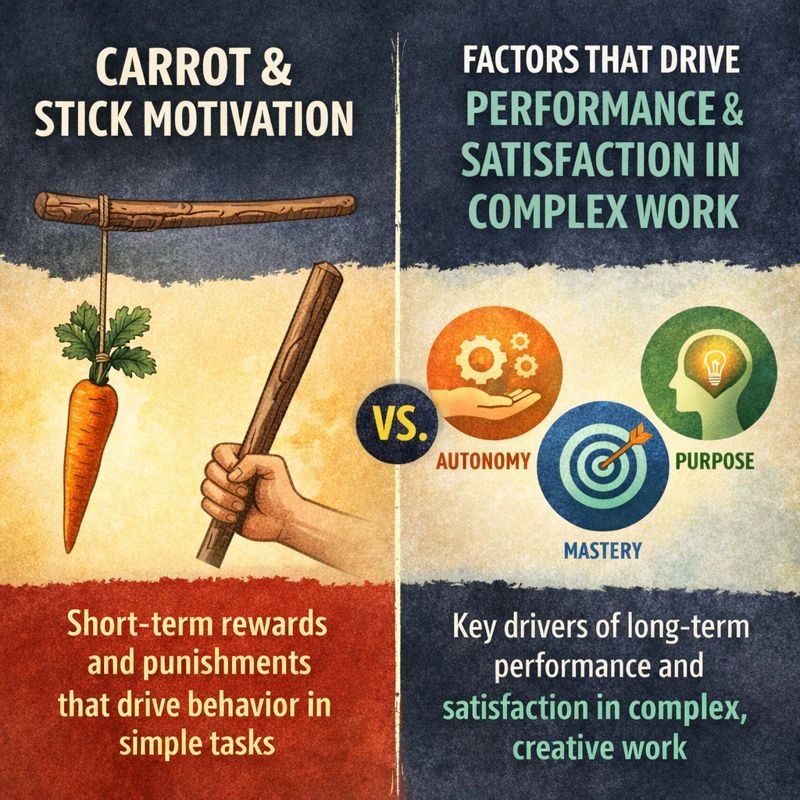
The Science of Sustainable Motivation for Your Clinical Staff
In a fascinating RSA talk, author Daniel Pink presents research that challenges everything we thought we knew about motivation. The findings carry profound implications for healthcare, where burnout has reached crisis le…
Read more →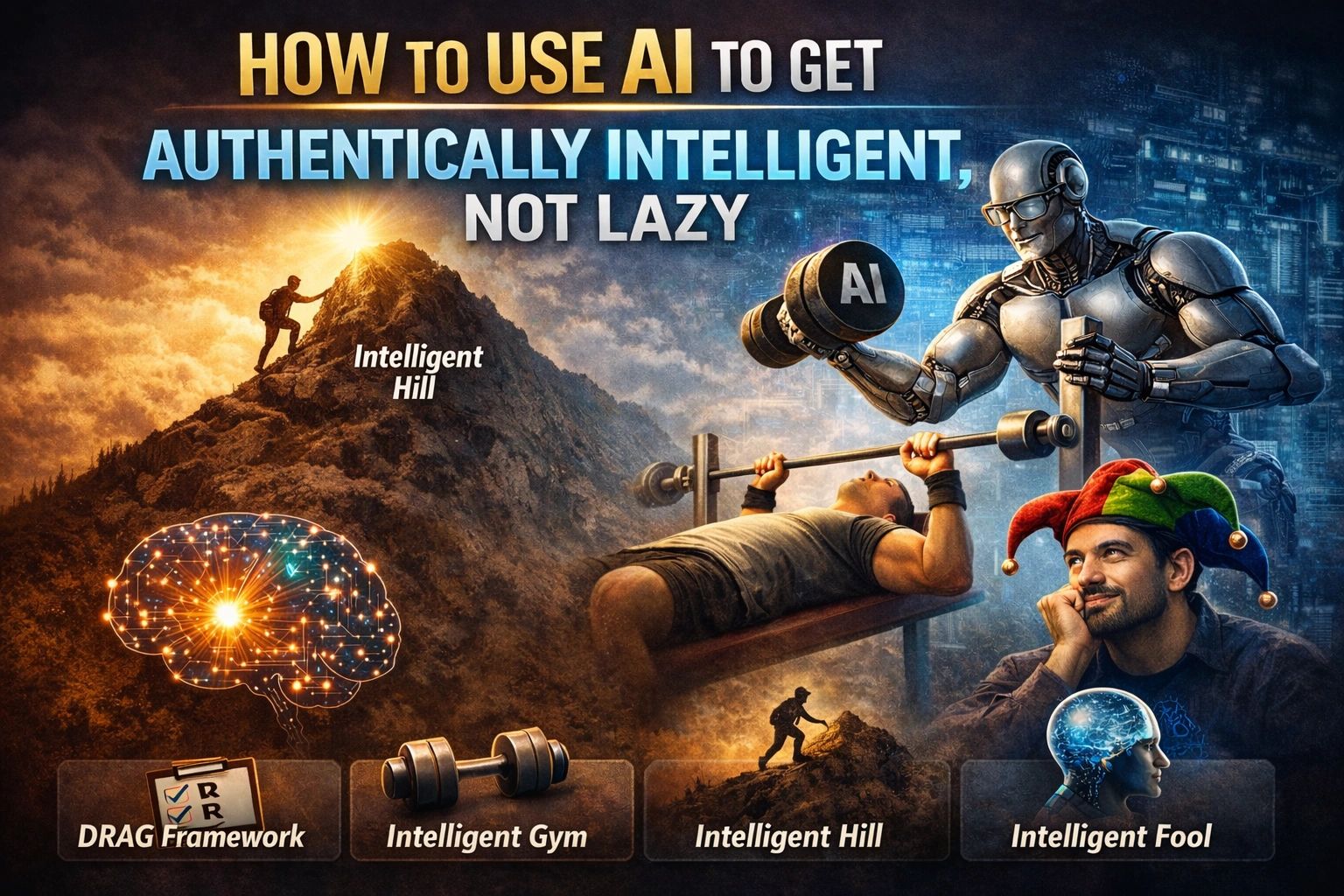
How to Use AI to Get Authentically Intelligent, Not Lazy
I really want to use AI the right way. I want AI to be my success team. The team I could never manage to assemble (or afford). The team that frees me to do what I do best and pushes me to maximize my potential. I don't w…
Read more →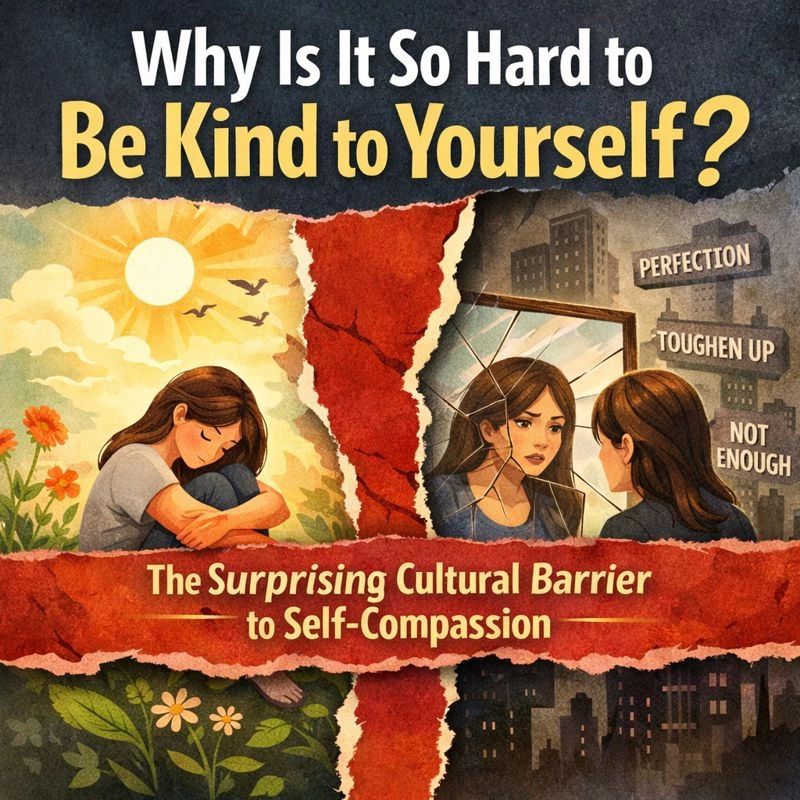
Why Is It So Hard to Be Kind to Yourself?
The Surprising Cultural Barrier to Self-Compassion…
Read more →.webp)
Manage Your Energy, Not Your Time
Abstract: This article challenges the conventional focus on time management, arguing instead that energy management is the key to productivity and fulfillment. Drawing on Csikszentmihalyi's flow theory, Loehr and Schwart…
Read more →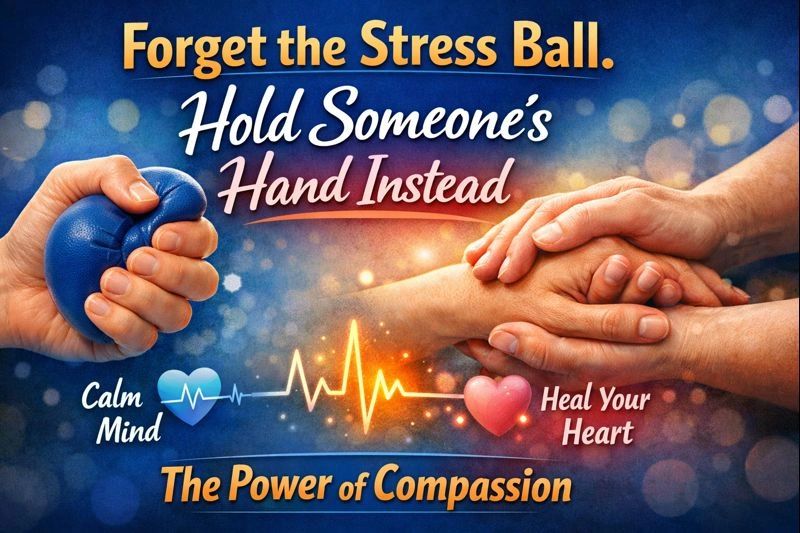
Forget the Stress Ball. Hold Someone's Hand Instead.
Abstract: Research reveals a counterintuitive truth about stress management: focusing on helping others is more effective than focusing on yourself. The "tend and befriend" response, mediated by oxytocin, creates neurolo…
Read more →.webp)
The Gap Between Is and Ought: Navigating Suffering
One of the unfortunate things about being human is that, at one point or another, we all suffer.…
Read more →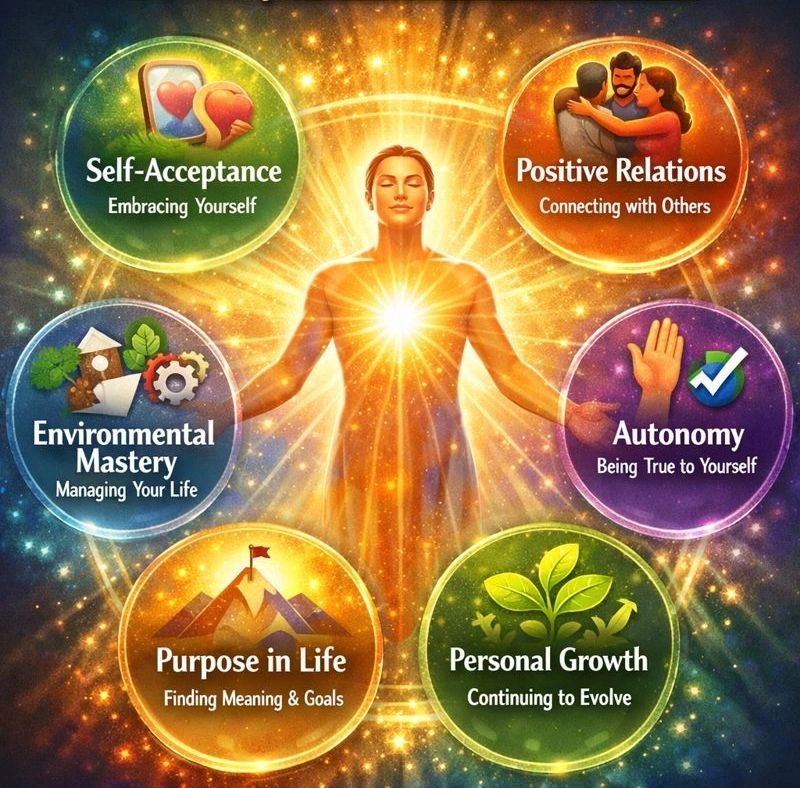
Healing From Burnout: A Systems Approach
"Your World is Perfectly Arranged to Give You The Results You are Currently Getting"…
Read more →
Zengineering 101- The Science of Being Well
You chose healthcare because you wanted to make a difference. You wanted to help people heal, recover, and live better lives. But somewhere along the way, the demands of the work may have started taking a toll. The early…
Read more →.webp)
Empathy vs. Compassion: Why Healthcare Providers Burn Out
Healthcare providers are burning out at unprecedented rates, and we have been misdiagnosing the cause. The exhaustion you feel after a day of patient care does not come from too much compassion. It comes from too much em…
Read more →
The Quiet Revolution Within: Self-Compassion and Why it Matters
"If your compassion does not include yourself, it is incomplete." ~Jack Kornfield…
Read more →
Why AI Hallucinates, Why We Can't Simply Fix It
When a large language model tells a physician that a drug interaction is safe when it isn't, or fabricates a clinical study that doesn't exist, we call it a hallucination. The term itself reveals our confusion about what…
Read more →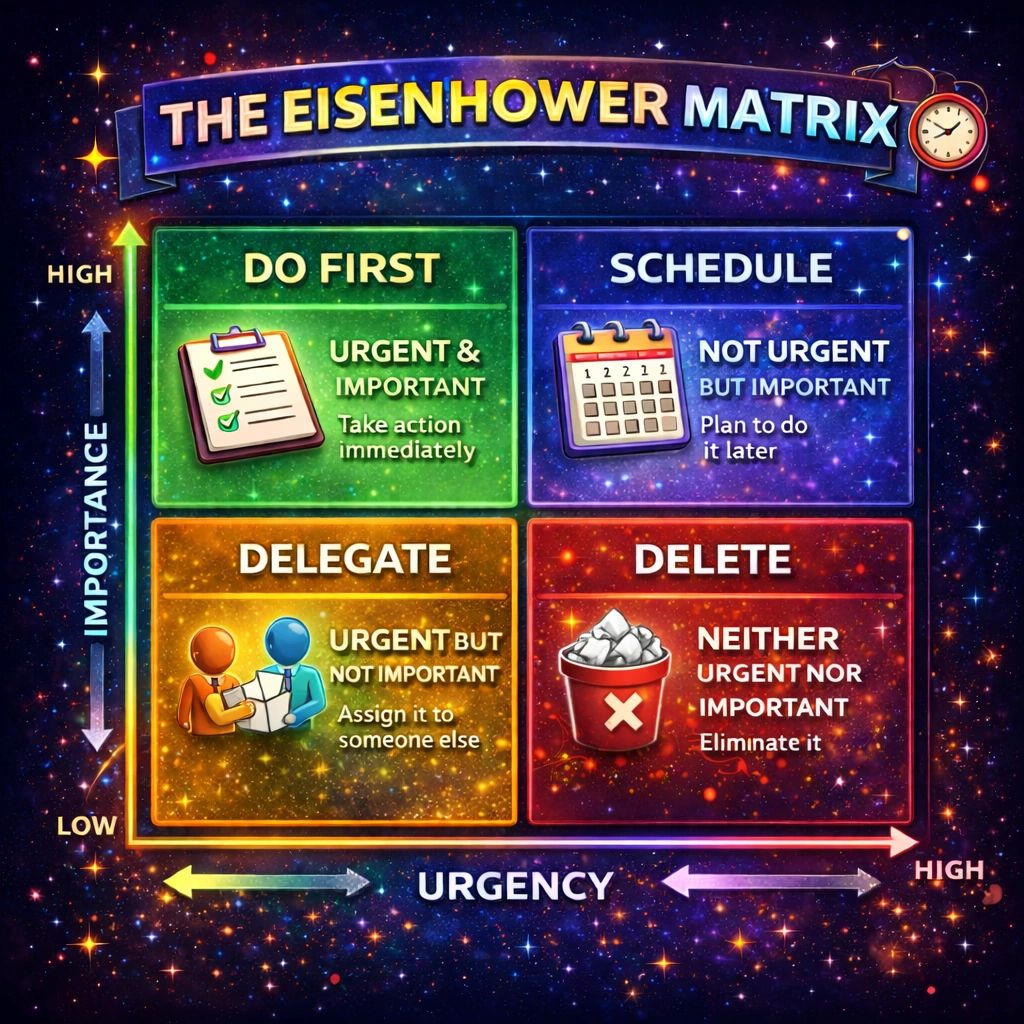
Master Priorities: The Eisenhower Matrix
Every healthcare innovation founder faces the same impossible arithmetic: infinite tasks, finite time. The difference between companies that survive and those that exhaust their resources before reaching product-market f…
Read more →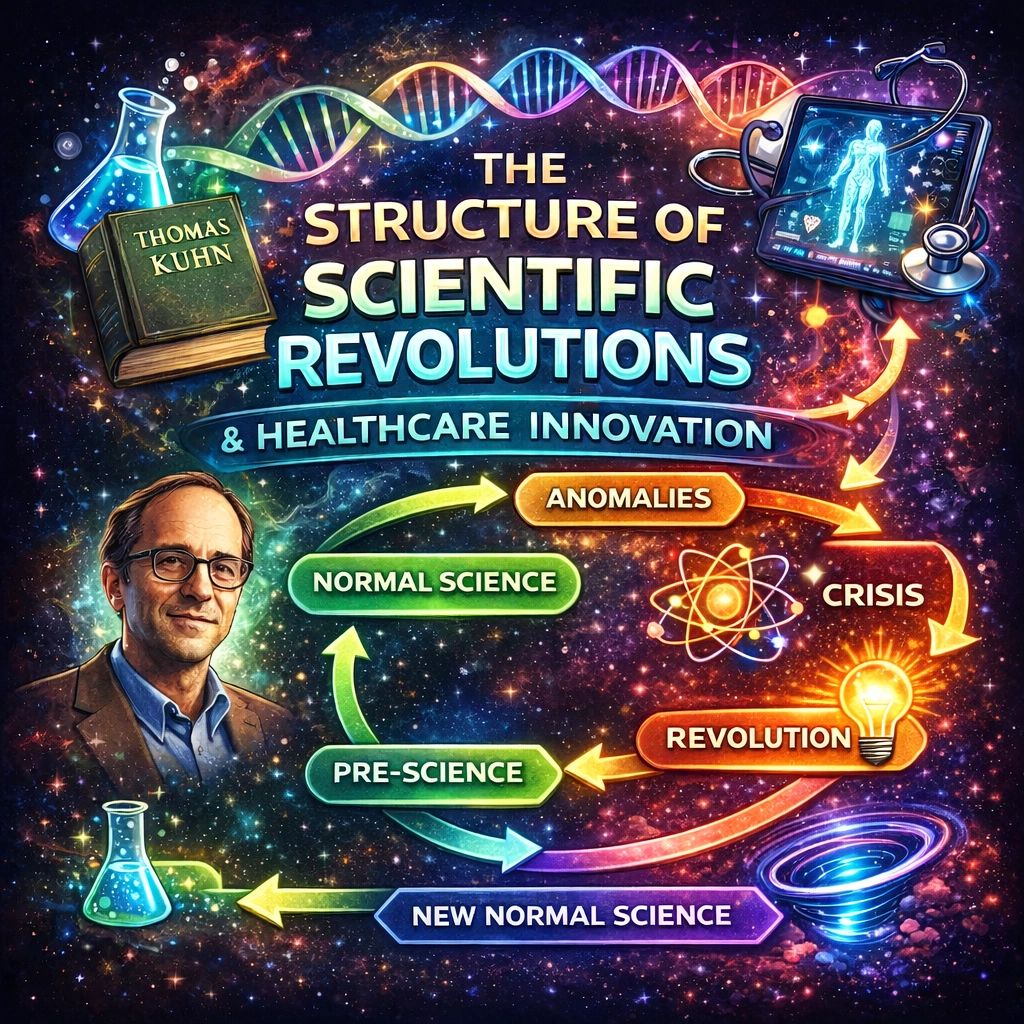
The Curse of Being Right Too Early
In 1989, I was working on my Master's thesis studying postural changes in people with Parkinson's disease. I had a problem: I needed to quantify those changes reliably. Digital photography did not exist. So I installed a…
Read more →
AI Makes Big Play for Your Health Record
Is it a Pandora's Box or the solution we've been waiting for?…
Read more →
Actionable Intelligence: What Health Tech Can Learn from Spycraft
In my last post, Why Health Technology Adoption Is So Complex I talk about "actionable intelligence at the moment it matters."…
Read more →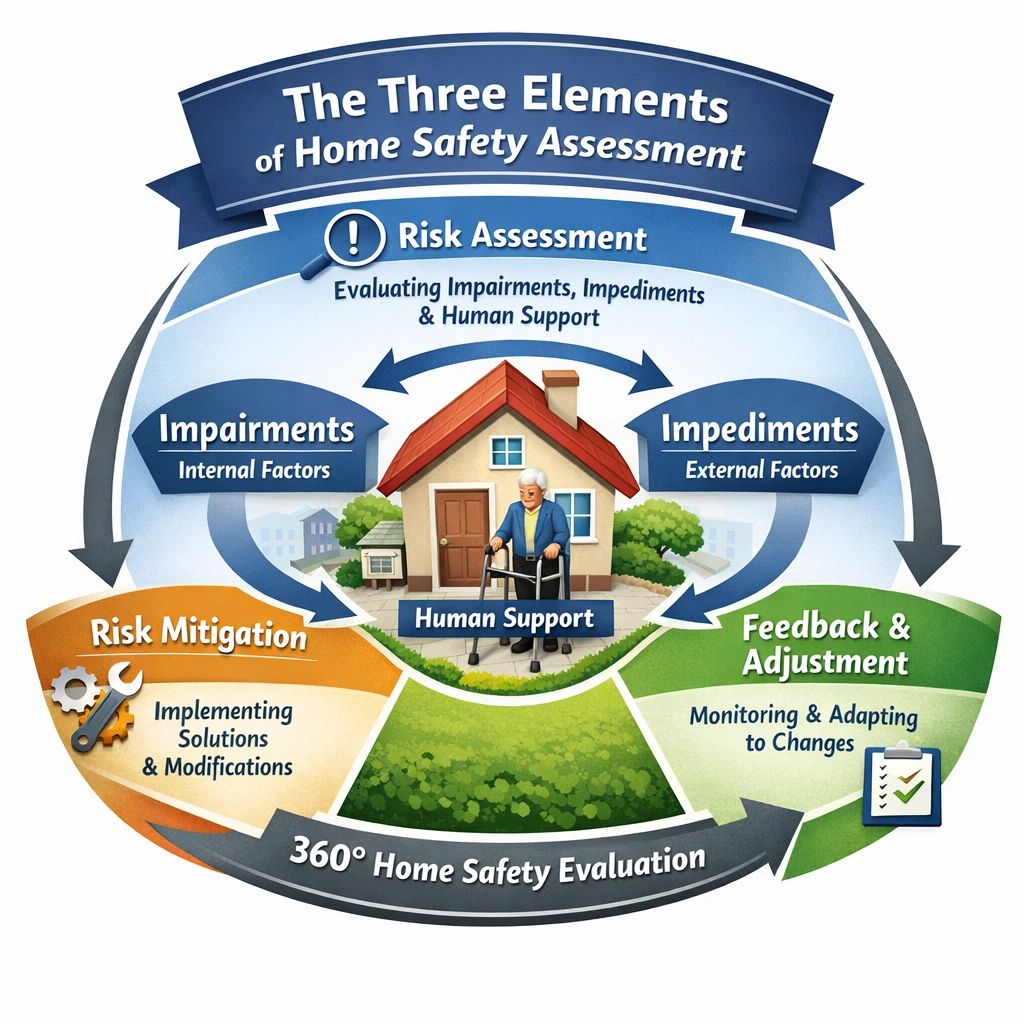
The Fight For Freedom: Home Safety Assessments
For over a decade, my primary occupation was to keep veterans safe in their homes. It was an honor and a privilege to defend their freedom to stay in their home safely and with dignity as time and circumstances presented…
Read more →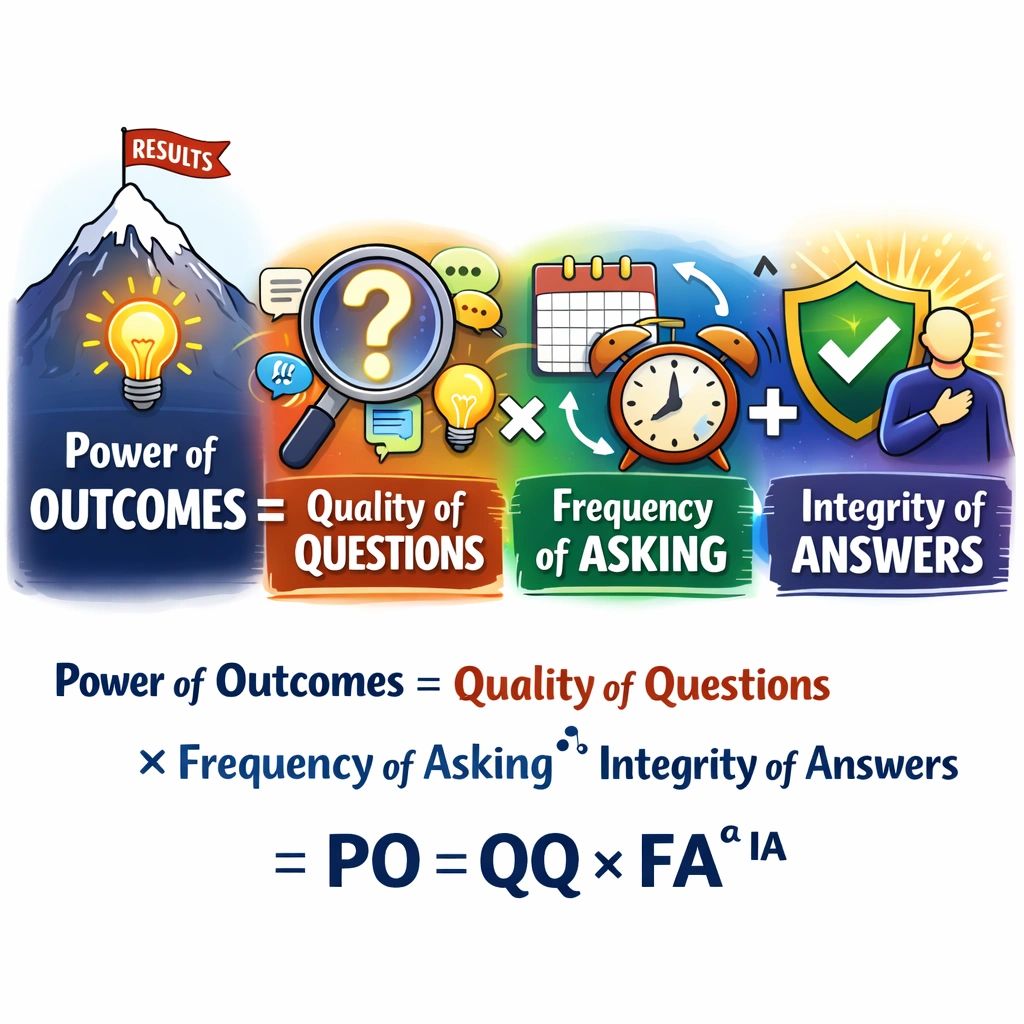
The Formula For Success
Sit with this statement: "The power of your outcomes is determined by the quality of the questions you ask yourself, multiplied by the frequency that you ask, raised to the power of the integrity of your answers."…
Read more →
Who's Paying and How Much Will They Pay?
You are working with a founder of a health-tech company. They feel that their idea will change the world and benefit patients. You don't disagree. Your job is to help this founder, this company, and this idea succeed. So…
Read more →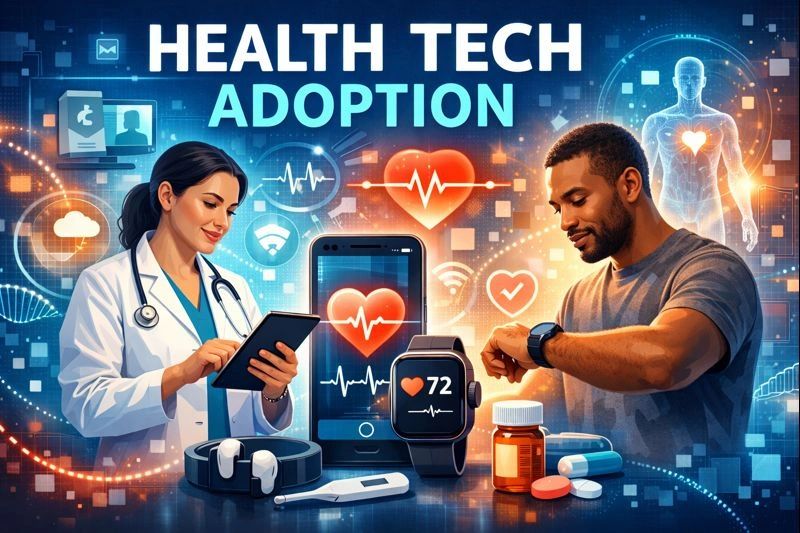
Why Health Technology Adoption Is So Complex
The conversation about technology adoption in healthcare often defaults to a familiar narrative: older patients resist technology while younger ones embrace it. This oversimplification, while containing a kernel of truth…
Read more →